
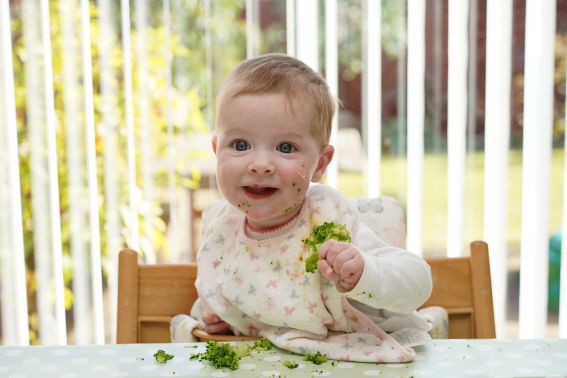
Weaning dos and don’ts – a dietitian’s guide to starting solids
Let’s face it, there is no shortage of weaning advice out there. From well-meaning relatives and friends, parenting forums, books and the endless world of social media, it’s easy to get bogged down in all the information. I know from working with families that navigating all this information, and formulating a clear plan for you and your baby can feel overwhelming. As a children’s dietitian, I’ve worked with hundreds of families during weaning, and the questions I get asked most often tend to come back to the same thing – “Am I doing this right?” So here are my top dos and don’ts that I’d share with any parent starting solids.
The Dos
- Wait for the right developmental signs – The NHS recommends starting weaning at around six months. While the calendar is a useful guide, I would urge you to pay closer attention to what matters more – developmental signs. Your baby should be able to sit up with support and hold their head steady, coordinate their eyes and hands to pick up food, and be progressing to swallowing rather than pushing food back out with their tongue (the tongue thrust reflex should be diminishing).
- Offer variety from the very beginning – I know it can feel tempting to stick to the foods your baby seems to enjoy, but variety is one of the most important things you can build into weaning from the start. Babies have windows of opportunity around the acceptance of taste and texture, and providing plenty of variety during this timeframe can lay the foundations for a child to be more accepting of a wide range of foods as they progress through childhood. Please don’t be put off by the initial big reactions and faces – this is just a response to ‘newness’!
- Include iron-rich foods early – Iron is one of the most critical nutrients for babies in the first year, and by six months, their stores from birth are beginning to deplete. I encourage all parents to make iron-rich foods a priority from the start of weaning, nd once established on meals, aim for an iron-rich food at each. Think meat, oily fish, eggs, lentils, beans, fortified cereals, and soy. Pairing plant-based iron sources (which can be more difficult to absorb) with vitamin C (think lentils with tomatoes, kidney beans with red pepper or broccoli with a squeeze of lemon) can also help absorption.
- Introduce the common allergens proactively – Current guidance around allergen introduction is now very clear. Allergenic foods should be introduced during weaning rather than avoided, and delaying actually increases the risk of a child developing a food allergy. Peanut butter, egg, cow’s milk, wheat, fish, soy, sesame, and tree nuts are all worth introducing early and then offering regularly. If your baby has moderate to severe eczema or has already had an allergic reaction to a food, please speak to your GP before introducing allergens.
- Don’t add salt or sugar to your baby’s food – As a general rule, we want to avoid adding salt or sugar (in any form) to your baby’s food. Too much salt may pose a risk to your baby’s kidneys and can shape taste preferences. Sugar poses a risk of tooth decay for your baby’s erupting teeth and, like salt, can also shape taste preferences and acceptance. Remember, whilst lots of tastes and flavours for your baby will be now, they are able to learn to enjoy the natural flavour of food, including savoury and even bitter tastes, without any additions.
- Don’t add salt or sugar to your baby’s food – As a general rule, we want to avoid adding salt or sugar (in any form) to your baby’s food. Too much salt may pose a risk to your baby’s kidneys and can shape taste preferences. Sugar poses a risk of tooth decay for your baby’s erupting teeth and, like salt, can also shape taste preferences and acceptance. Remember, whilst lots of tastes and flavours for your baby will be now, they are able to learn to enjoy the natural flavour of food, including savoury and even bitter tastes, without any additions.
- Don’t add salt or sugar to your baby’s food – As a general rule, we want to avoid adding salt or sugar (in any form) to your baby’s food. Too much salt may pose a risk to your baby’s kidneys and can shape taste preferences. Sugar poses a risk of tooth decay for your baby’s erupting teeth and, like salt, can also shape taste preferences and acceptance. Remember, whilst lots of tastes and flavours for your baby will be now, they are able to learn to enjoy the natural flavour of food, including savoury and even bitter tastes, without any additions.
Let your baby lead, and lean into relaxed meals. In the early weeks, food is much more about exploration than nutrition. Remember, your baby doesn’t know how to eat, so weaning is the start of learning to eat, and every new food is a new lesson! Try to avoid focusing on how much your baby is eating or ‘getting’ them to eat, as pressure at mealtimes, however well-intentioned, tends to make eating and mealtime progress more challenging for your baby. Follow your baby’s lead, keep things calm, and try to judge success by engagement and exploration rather than by how much gets eaten. And remember, babies learn beautifully by copying and mirroring, so where you can, take the pressure off by eating with or alongside your baby.
The Don’ts
- Don’t add salt or sugar to your baby’s food – As a general rule, we want to avoid adding salt or sugar (in any form) to your baby’s food. Too much salt may pose a risk to your baby’s kidneys and can shape taste preferences. Sugar poses a risk of tooth decay for your baby’s erupting teeth and, like salt, can also shape taste preferences and acceptance. Remember, whilst lots of tastes and flavours for your baby will be now, they are able to learn to enjoy the natural flavour of food, including savoury and even bitter tastes, without any additions.
- Don’t give honey before a year of age – Honey should be avoided for babies during weaning, as it can contain spores of Clostridium botulinum, which can cause infant botulism in babies under twelve months. It’s a straightforward one to avoid entirely until their first birthday, and do be careful to check and pre-packaged foods.
- Don’t compare your baby’s progress to anyone else’s – Whilst it’s easy to look over at other babies, or compare to those online, please remember that just like any other developmental milestone, each baby will progress through weaning at a different rate. Some babies take to solids quickly, whilst others spend weeks exploring very small amounts. Both are normal.
- Don’t leave your baby unattended whilst eating – choking is a very real concern for many parents, but in the rare occasion that happens, it is often silent. Don’t be tempted to wander off to unload the dishwasher or clean the sides. Sit with your baby whilst they eat, and familiarise yourself with how to recognise and manage gagging and choking.
Read more – Top 5 common weaning questions answered
By Lucy Upton
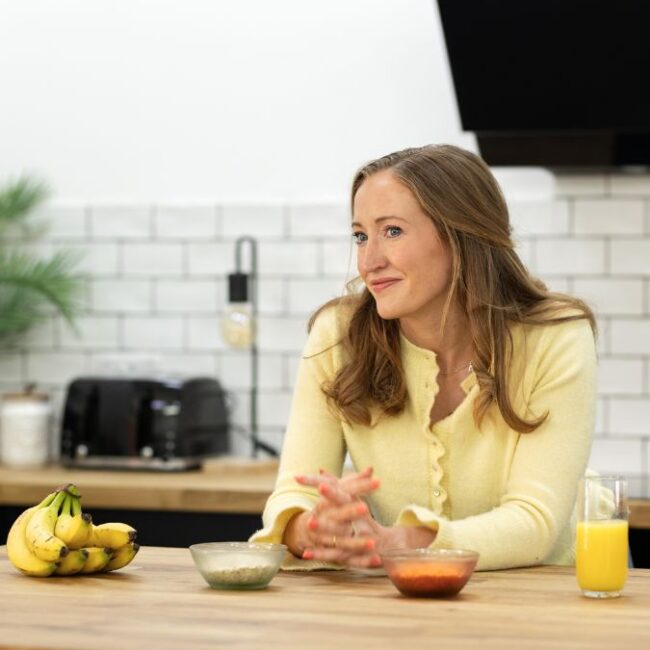
Lucy Upton is a registered Paediatric Dietitian specialising in early years nutrition, with a particular focus on infant feeding and weaning.
With extensive clinical experience supporting families, Lucy is passionate about providing evidence-based, practical guidance that helps parents feel confident during their baby’s feeding journey.
She regularly contributes expert advice across digital platforms and collaborates with trusted brands, including BioGaia, to help translate nutrition science into clear, accessible support for everyday family life.