

Weaning and digestion – what to expect from your baby’s poo nappies
Amidst the sea of weaning advice available out there, there is often a topic ignored or skimmed over, and that’s your baby’s nappy changes! If you thought you were already preoccupied with your baby’s poo or tummy comfort, weaning is a time when many parents start wondering “is this normal?”, or “what did nobody tell me?”. Changes to your baby’s digestion when starting solids are completely normal. In fact, they’re a sign that their gut is doing exactly what it should, adapting from a milk-only diet to an entirely new way of getting nutrition. But that doesn’t make it any less alarming if you don’t know what to expect.
Here’s a straightforward guide to what’s normal, what to keep an eye on, and when it’s worth speaking to someone.
How will your baby’s poo change during weaning?
Before weaning, whether your baby is breast or formula-fed, their poos are likely to have become fairly predictable in colour, consistency and smell. Once solid foods arrive, all of this starts to shift, sometimes slowly, but on occasion, it can be as quickly as overnight, so here are some common changes you can expect to see.
Colour changes – This is often the first thing parents notice, and it can be surprising or even worrying if you’re not expecting it. Your baby’s poo can turn green, orange, brown, or even take on a reddish tint, depending on what your baby has eaten. On some occasions, poos can even appear in multiple different colours! Beetroot, tomatoes, blueberries and leafy greens are all common culprits. If you can trace the colour back to something they’ve eaten, it’s almost always nothing to worry about.
Texture and consistency – As the variety and volume of solid food increase, for many babies, their poos become firmer and more formed. This is normal and to be expected. You may also notice pieces of undigested food in their stools, such as bits of sweetcorn, pea skins, or soft vegetable pieces. Whilst some parents are shocked to see this, babies’ digestive systems are still developing, and some foods pass through without being fully broken down. They also often don’t have molars yet, and these teeth are key for grinding down harder-to-digest foods such as seeds and skins. Please be reassured, this is particularly common in the early weeks of weaning and tends to improve as their gut matures.
Smell – With all of these changes, I’m afraid to report that you can also expect your baby’s poos to smell more once you start weaning. Solid food changes the bacterial composition of the gut, and that, in turn, leads to a noticeably stronger smell.

My baby has become constipated during weaning
One of the most frequently reported digestive changes when weaning begins is constipation. This typically happens because solid foods are harder to digest than milk, and a baby’s gut needs time to adjust. It’s particularly common in the first few weeks, and again when you start introducing more varied textures or foods.
Signs your baby may be constipated include straining, discomfort, and hard, dry, or pellet-like poos (like rabbit droppings). Pooing less than every 3 days may also signal constipation. Whilst this is common and tends to be a short-term change in your baby’s bowels during weaning, there are a few things that can help manage constipation during weaning
Water – once weaning starts, don’t forget to start introducing small sips of water with meals. Whilst breast milk or formula remains the main drink, a little water alongside food supports digestion.
‘P fruits’ and Kiwi – pears, prunes, peaches and plums are often cited as constipation cures. This is due to their fibre and natural sugar content that can help soften stools and get things moving. Kiwi is also a superstar fruit for constipation management, not just for its fibre and fluid content, but also for the enzyme it contains, which helps to digest protein (and thus get things moving along)
Tummy massage and leg cycling – a gentle circular massage on your baby’s tummy and/or lying your baby on their back and gently moving their legs in a cycling motion can help to stimulate movement and encourage things along.
If constipation is persistent, your baby seems distressed, or there is any blood in their stool, speak to your GP or health visitor rather than managing it at home.
Loose stools and diarrhoea during weaning
For some babies, the opposite can also happen during weaning. Some babies experience looser stools when weaning starts, particularly if they are eating larger amounts of certain foods such as specific fruits (like those above). This usually settles as the diet becomes more varied and balanced. If your baby’s poo is persistently loose and/or watery diarrhoea that lasts more than 24 hours, is accompanied by vomiting, or if they seem unwell or dehydrated, please contact your GP.

Lorem ipsum dolor sit amet, consectetur adipiscing elit. Ut elit tellus, luctus nec ullamcorper mattis, pulvinar dapibus leo.
Wind and tummy discomfort during weaning
Increased wind is another very common side effect of starting solids. As the gut microbiome adapts to breaking down new foods, particularly high-fibre ones like pulses, broccoli (and other windy vegetables) and certain fruits, gas production can increase. For some babies, this can cause discomfort and unsettled behaviour, particularly in the first few weeks, but please be reassured that this tends to improve over time as the gut adjusts. If any gut discomfort persists, please seek support from a health professional.
What’s not normal during weaning – tummy and poo signs to get checked
Most digestive changes during weaning are short-lived and nothing to worry about, but some signs do warrant a conversation with your GP or health visitor, namely:
-
- Blood in your baby’s poo
-
- Persistent diarrhoea lasting more than 24 – 48 hours
-
- Significant weight loss or growth concerns
-
- Signs of dehydration
-
- A rash, swelling, or vomiting after introducing a new food or any other signs that could suggest an allergic reaction
-
- Mucus in the stool consistently, particularly alongside other symptoms above
Above all else, if something doesn’t feel right, trust your instincts and seek support from a health professional.
Remember…
Weaning is a period of significant change, not just for what and how your baby is eating, but for your baby’s gut. The digestive shifts that come with weaning are a normal part of the process, even if some are unexpected or unpleasant. If you’re unsure whether what you’re seeing is within the range of normal, please always refer back to your child’s health professional.
Read more on how you can support your baby’s gut health during weaning.
By Lucy Upton
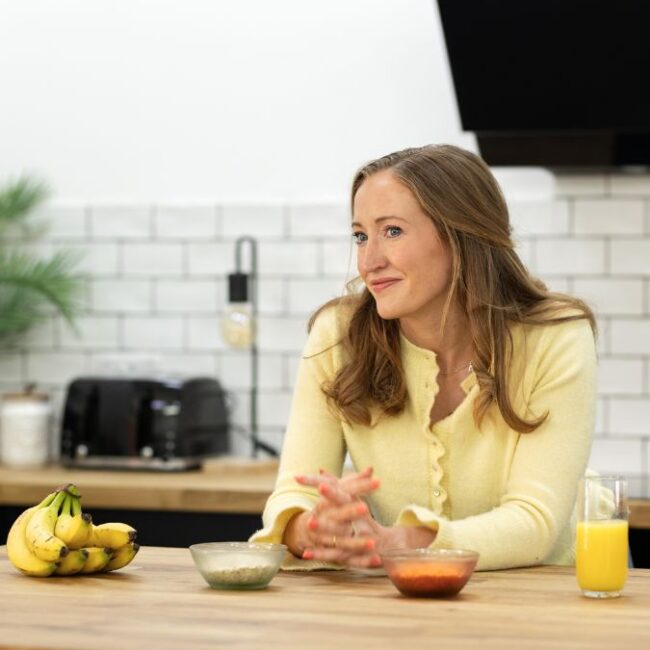
Lucy Upton is a registered Paediatric Dietitian specialising in early years nutrition, with a particular focus on infant feeding and weaning.
With extensive clinical experience supporting families, Lucy is passionate about providing evidence-based, practical guidance that helps parents feel confident during their baby’s feeding journey.
She regularly contributes expert advice across digital platforms and collaborates with trusted brands, including BioGaia, to help translate nutrition science into clear, accessible support for everyday family life.