
The 10 best first foods for weaning your baby
Whilst there is no single ‘right’ way to start solids, it can be helpful to have a steer towards some foods that are great options to get going with once your baby has started weaning. With this in mind, here are ten of my favourite best first foods as a children’s dietitian that focus on all-important variety, key nutrients like iron, texture progression, and, of course, are easy to prepare and provide as a busy parent.
Eggs
Eggs are a nutrient powerhouse, packed full of protein, iron, choline and fats, all of which are essential nutrients for babies and young children, which makes them the perfect first weaning food. Egg is also a common food allergen in babies and young children, so one to proactively introduce early on during weaning. It is also an incredibly versatile food, from offering your baby boiled egg or omelette fingers to scrambled egg, frittata, or using it in baked items like pancakes; it should be a kitchen staple once your baby starts weaning.
Broccoli
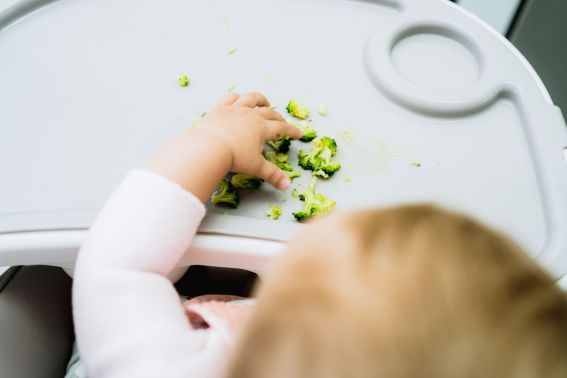
Introducing bitter vegetables, including green vegetables like broccoli, is now widely recommended during weaning. In part, this is because babies are programmed to accept and enjoy sweet tastes, so introducing ‘trickier’ flavours like bitter or umami can support ongoing acceptance of these foods into later weaning and childhood. Broccoli is also an easy option to offer as a finger food, and/or puree, whilst being a great source of fibre, folate and vitamin C
Oats
Oats are an incredibly versatile carbohydrate option to introduce during weaning, are cheap, and are easy to store at home. They can be offered milled or whole, made into porridge, baked into pancakes, oat bars or muffins. Oats themselves are a fantastic source of fibre, and also contribute key nutrients like iron and zinc. You can even buy milled versions with added vitamins and minerals such as iron.
Sweet Potato
The bright orange colour of sweet potato may not be one you fancy up your wall, but it’s a fantastic weaning food for babies. Sweet potato is packed with Beta-carotene (the plant-based version of Vitamin A) and fibre, whilst being easy to form into a safe first finger food or puree. Sweet potato also works as a fantastic base for herbs and spices, which are great to introduce in weaning too – think cinnamon, paprika, cumin and thyme
Banana
There is no better grab-and-go option for weaning than a banana! Aside from being a great source of potassium, magnesium and prebiotic fibre, it’s ideal for taking out and about, as it mashes easily, and is a perfect first option as a simple finger food.
Lentils
Lentils are yet another cheap and easy-to-use weaning option that every parent should keep in their cupboards. Whether it’s dried red lentils, packet Puy lentils, or tinned green lentils, they are a fantastic source of plant-based protein, iron, fibre, and other nutrients like zinc. Not only that, but they are incredibly easy to incorporate into your baby’s first foods – mash.
Yoghurt
Plain natural or Greek yoghurt is a nutrient-packed and versatile first food for babies. Yoghurt is a rich source of important nutrients babies need, such as calcium, iodine and fat. It can be easily incorporated into purees or offered on its own. Remember to choose full-fat yoghurt for babies.
Avocado
Avocado is another powerhouse of nutrients for babies and a brilliant first food. It contains monounsaturated fats, which are important for brain development and the absorption of fat-soluble vitamins. Avocados are also a good source of vitamin E, folate, and potassium, and their naturally creamy texture makes them one of the easiest foods to offer from the very start of weaning. Half a ripe avocado, cut into spears, is a ready-made finger food and pureed or mashed, it works beautifully stirred through porridge or spread onto toast fingers.
Peanut Butter
Peanut allergy is one of the most common food allergies in children, which is exactly why we encourage getting it in early (and there is no need to sit in a hospital car park!). Current guidance recommends introducing peanut-containing foods during weaning, as early exposure has been shown to significantly reduce the risk of developing a peanut allergy. Smooth peanut butter, thinned with a little warm water or stirred into yoghurt or porridge, is the safe way to offer it to babies (whole peanuts are a choking hazard and not suitable for under-fives). Start with small amounts and build up gradually. Beyond allergy prevention, peanut butter is also a good source of protein, healthy fats, vitamin E and magnesium. If your baby has eczema, you may wish to speak to your GP or health visitor before introducing it.
Salmon
Oily fish like salmon is one of the most nutrient-dense foods you can offer a baby, and one that’s often overlooked on weaning lists. Salmon is one of the very few rich dietary sources of omega-3 fatty acids, but specifically DHA, which plays a critical role in your baby’s brain and sight development in their first years of life. It’s also an excellent source of protein and vitamin D. Cooked and flaked, it works well stirred through a vegetable puree, mixed into a simple fish cake, or offered as soft flakes as a finger food.
Whilst this list is just to get you started, I’d encourage you to take away that no single food or recipe (however nutritious) does the job on its own. One of the biggest pieces of advice I can offer you during weaning is to offer variety. The more diverse your baby’s diet from the start, the broader their palate becomes, and the better placed they are to get the full range of nutrients they need to support their rapid growth and development.
Read more – Top ten foods to avoid during weaning.
By Lucy Upton
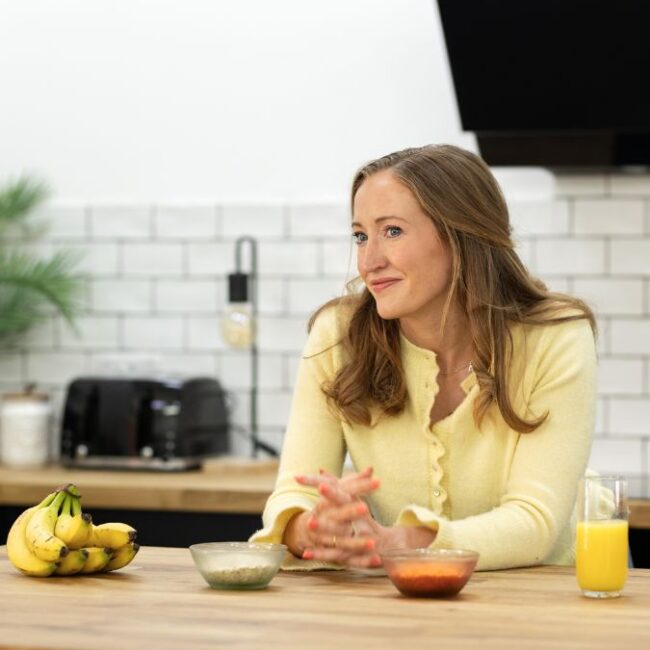
Lucy Upton is a registered Paediatric Dietitian specialising in early years nutrition, with a particular focus on infant feeding and weaning.
With extensive clinical experience supporting families, Lucy is passionate about providing evidence-based, practical guidance that helps parents feel confident during their baby’s feeding journey.
She regularly contributes expert advice across digital platforms and collaborates with trusted brands, including BioGaia, to help translate nutrition science into clear, accessible support for everyday family life.